Pathways
Primary Pathway Width
Primary pathways should be wide enough to accommodate intense pedestrian and wheeled-toy traffic, helping children stay on the pathway and pass each other without conflict.
Primary Pathway Materials
Primary pathways can be constructed of concrete, fine crushed stone or mulch. Each option has its benefits.
Infant and Toddler Pathway Materials
Infants and toddlers have different needs and abilities and there are various pathway options based on those needs and abilities.
Primary Pathways
Primary pathways are a functional necessity in childcare outdoor learning environments (OLEs) and promote physical activity by facilitating walking, running, chase games, and wheeled toy use (riding, pushing, pulling). They are designed to provide easy, attractive circulation throughout the outdoor learning environment and connect classrooms to the primary settings of infant, toddler, and preschool areas.
Primary Pathway Layout
Laying out a pathway can seem complicated and overwhelming. Following the provided steps should simplify the process and produce a more successful result.
Installing Stepping Stones
Stepping stones are an effective and durable material used for creating pathways. They can be installed linearly to create secondary pathways or used enmasss to create patios or sensory gardens.
Sensory Gardens
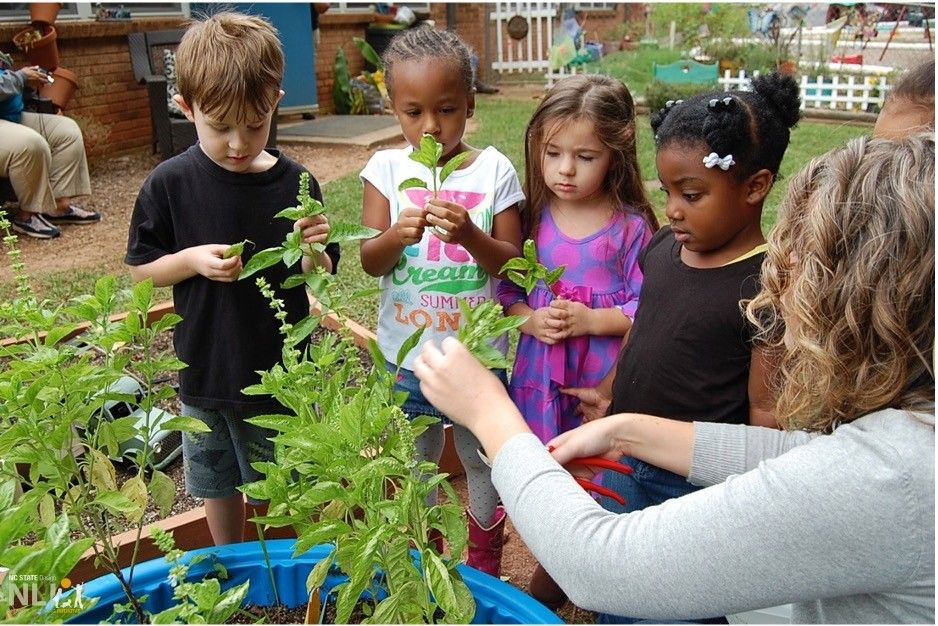
Sensory gardens provide intimate spaces where young children can be immersed in the scents, textures and colors of plants and related elements.
e-newsletter
Tags
- Affordable settings and elements (15)
- Children's Books (2)
- Community engagement (2)
- Design guidance (7)
- Edibles (6)
- Fundraising (1)
- Insects (5)
- Materials (3)
- Outdoor play (6)
- Pathways (7)
- Physical Activity (4)
- Plantings (17)
- Programming (4)
- Stones and boulders (2)
- Sustainable (1)
- Welcome to the Green Desk (1)