Whoops!
Looks like the page you were looking for doesn’t exist.
Looks like the page you were looking for doesn’t exist.
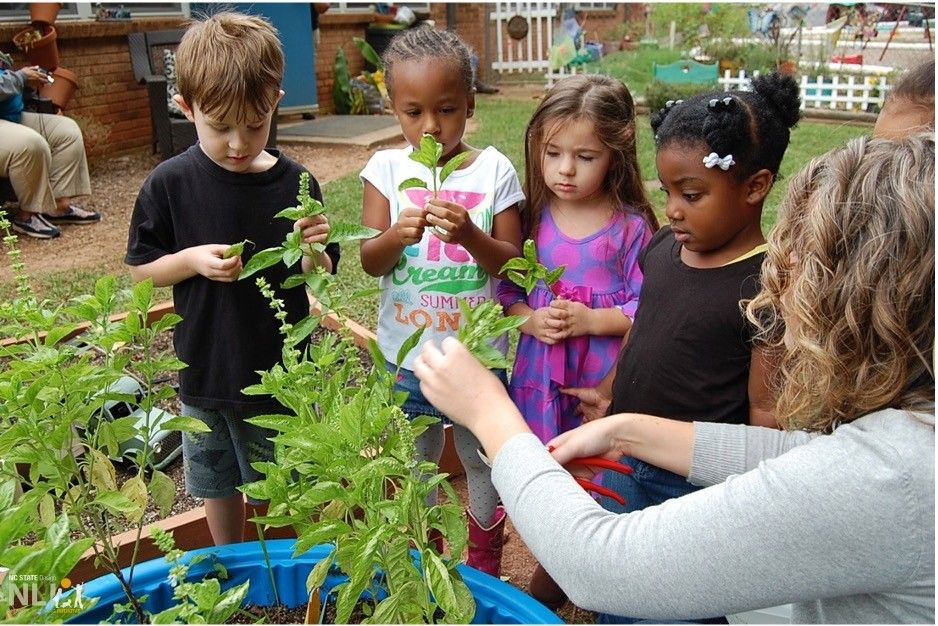
Creating environments for healthy human development and a healthy biosphere for generations to come.
- NLI Mission
For 25 years, the Natural Learning Initiative (NLI) has applied community-based, equity-driven design thinking to create healthy, natural play and learning environments. The NLI Resource Hub offers a collection of free public resources dedicated to supporting the development of biophilic play and learning environments where children can grow up caring for the planet and each other. These resources encompass landscape design, research, professional development, and information dissemination.
Real-world places where NLI has provided professional landscape architecture design assistance.
Two to four page documents about implementing and maintaining nature-based play settings.
Web-based teaching tools and virtual experiences about exploring and designing nature-based play settings.
Learn more
Single-page documents about activities for children and caregivers in nature-based play settings.
A month-by-month newsletter series about nature-based activities for children and families at home.
Comprehensive projects that combine design assistance, research & evaluation, professional development, and dissemination & communications.
Printed and published books and resources about nature-based design, education, childhood, and more.
Published scientific research about nature-based design, childhood, behavior mapping, and more.
Videos created by NLI and our partners about nature-based design, education, childhood, and more.
Elements of outdoor learning environments that can be built and deployed at a low cost, but with a great impact.
Families, partners, neighborhoods and cities that help outdoor learning environments thrive and grow.
Information for raising resources to build and maintain outdoor learning environments.
Resources about growing plants and all the different ways it benefits young children.
Fruits and vegetables, trying and tasting, growing and eating. Learn how young children can be excited to eat nutritious food.
Building and constructing outdoor learning environments can be challenging. Find resources to guide your project.
Maintaining and sustaining outdoor learning environments is vital to their long-term success. Learn about managing environments.
Risk management in play areas is critical for certification and regulation. Learn how to create safe spaces and address concerns.
The Natural Learning Initiative (NLI), its partners and supporting entities assume no responsibility for the installation of outdoor components and/or designs and their use. In no event will NLI be liable for any loss or damage, including without limitation, indirect or consequential, incurred during the construction or use of outdoor play and learning environments. NLI further suggests adherence to the guidelines set forth in the U.S. Consumer Product Safety Commission’s Public Playground Safety Handbook and to follow local, state, and national code requirements concerning but not limited to land use, zoning, safety, accessibility, permitting, and approval of plans prior to construction.